Sumba isn’t a beach destination. It’s a way of seeing.
Independent Sumba tour curators. We design 5-10 day private tours pairing world-class surf breaks, megalithic villages, and your choice of three hotel tiers. (See Marapu (religion) for context.)
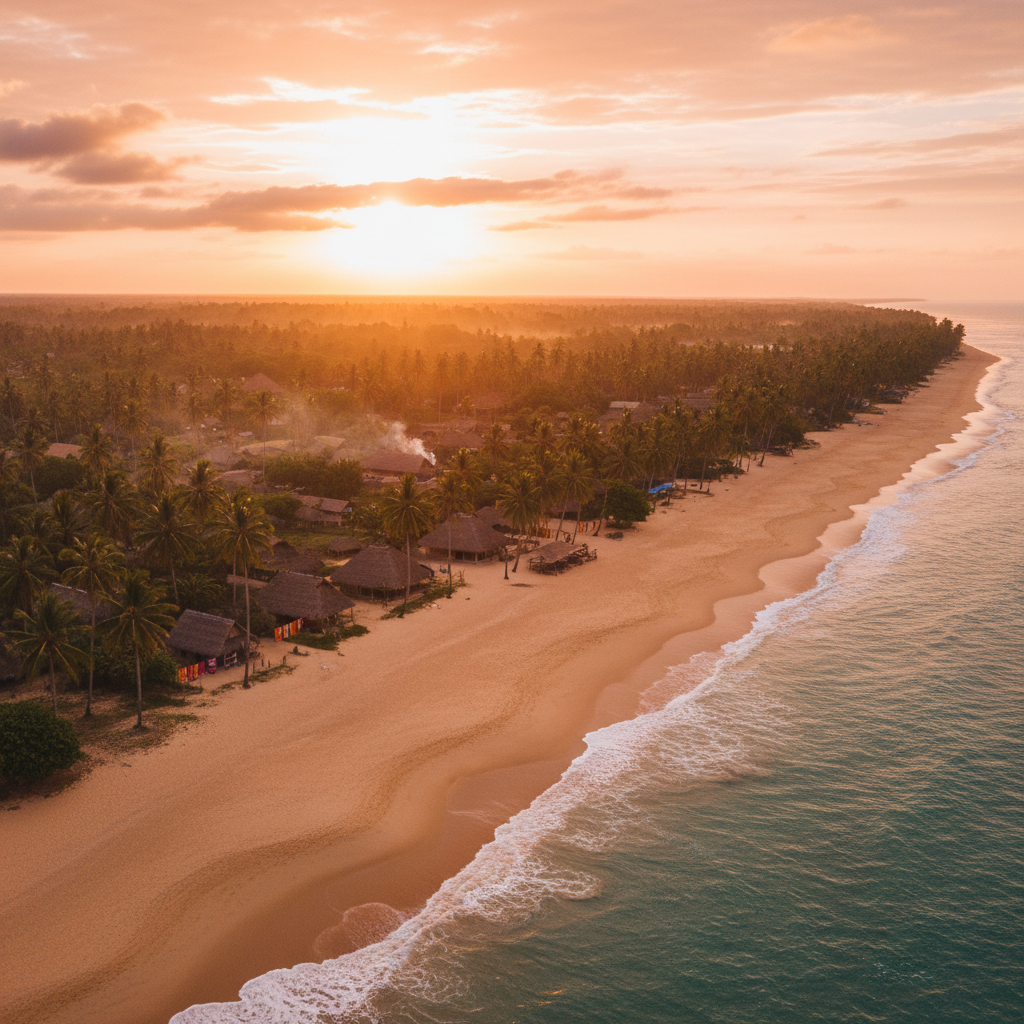
Three threads, one island.
Empty surf beaches
Nihiwatu Beach (Occy’s Left), Tarimbang, Watu Maladong. Some of Indonesia’s least-crowded barreling beach breaks. World-class swell from April to October.
Megalithic culture
Villages with thousand-year-old stone tombs still in use. Pasola war ritual horseback ceremony. Marapu animist religion alongside Catholic and Protestant traditions.
Private tour, your hotel choice
We curate the tour. You pick the accommodation tier — Nihi Sumba Reserve, Cap Karoso Atelier, or Maringi Eco Smart. Same itinerary, three price points.
Why we exist as independent curators
Sumba’s hospitality story is dominated by Nihi Sumba — once World’s Best Hotel by Travel + Leisure two years running, and rightly famous for its surf access and remote setting. But Nihi is not the only Sumba experience. Cap Karoso is a Bauhaus-architecture beachfront retreat that opened in 2023 with a gentler price point and arguably better food. Maringi Eco Resort is a sustainable budget-friendly base for travelers who want the same beaches and culture without the luxury markup. We are an independent tour curator — not affiliated with any single hotel — designing private 5-10 day Sumba tours and matching guests with whichever hotel suits their travel style. The same surf breaks, the same villages, the same horseback rides; three different ways to sleep.
Sumba’s geography
Sumba sits 400km southeast of Bali in the Lesser Sunda Islands chain. The island is large (11,000 km²) and dry — the climate is closer to Australian outback than tropical Indonesia. Two main entry points: Tambolaka airport (TMC) on the west coast — closer to Nihiwatu, Cap Karoso, and the surf beaches — and Waingapu airport (WGP) on the east coast — closer to Tarimbang, the megalithic villages of East Sumba, and the savannah hill country. Most flights connect via Bali. Internal travel between west and east Sumba is a 6-7 hour drive on improved but still challenging roads.
The Pasola — Sumba’s signature ritual
Pasola is a ritual mock-warfare ceremony held in West Sumba in February or March each year. Two opposing teams of horsemen ride toward each other and throw blunted wooden spears, recreating ancient inter-village conflicts in a structured ritual context. The ceremony is part of the Marapu religion and is considered sacred — visitors are welcomed but expected to remain respectful. The exact date is set by traditional priests based on the appearance of nyale sea worms on local beaches. We can build Pasola viewing into February-March tours but cannot promise specific dates.
Surfing reality check
Sumba’s surf is excellent but not for beginners. Nihiwatu Beach (the famous Occy’s Left) is exclusive to Nihi Sumba hotel guests — non-guests cannot access the break. Tarimbang Bay (East Sumba) is a long beach break suitable for intermediate-to-advanced surfers, accessible to anyone. Watu Maladong is a heavier reef break in West Sumba. Our private tours include surf access where appropriate, with the lineup matched to your skill level.
The hotel tier choice
We offer three hotel tiers across our 7-day signature tour. Reserve tier: Nihi Sumba Estate — the famous luxury property with exclusive access to Nihiwatu Beach. From $1,400/night. Atelier tier: Cap Karoso — boutique Bauhaus-design property opened 2023, on a longer mainland beach. From $480/night. Smart tier: Maringi Eco Resort — sustainable family-friendly base, walking distance to multiple beaches. From $180/night. The tour itinerary itself is identical across tiers; the experience differs in what you sleep in and eat.
Why we’re independent
We are not affiliated with Nihi Sumba, Cap Karoso, or Maringi Eco. We are independent tour curators based in Bali and Sumba, designing private itineraries and matching guests with whichever property serves their travel style.
This independence matters. We can recommend Cap Karoso when you’d be happier there. We can suggest Maringi when the price point matters more than the brand. We can build the tour around the cultural depth our owner has spent ten years cultivating with Sumbanese families and village leaders.
Plan your Sumba tour
Five to ten day private tours. April to October peak. Three hotel tiers.
Practical guide — Sumba
Getting there
Tambolaka Airport (TMC) — west Sumba; Waingapu Umbu Mehang Kunda Airport (WGP) — east Sumba is the main gateway to Sumba. Plan to arrive in Waingapu (East Sumba) and Tambolaka (West Sumba) as your base. Most Western travelers connect via Jakarta or Bali; allow a full day for travel given internal Indonesian flight schedules. Direct international connections are limited — almost all visitors transit through Jakarta-Soekarno Hatta (CGK) or Denpasar-Bali (DPS) before continuing to the destination airport.
Best time to visit
April to October (dry season, best for surfing, riding, photography). Average temperatures sit at 24-32°C, drier than other Indonesian islands, with water temperatures 26-28°C, suitable for surfing year-round. The off-season runs November to March (rainy season, lush green hills but limited surf). We typically recommend booking 4-6 months ahead for prime-season travel; 2-3 months for shoulder-season departures. Festival calendars and local cultural events shift the optimal weeks each year, and we update our voyage calendar quarterly to reflect the current best windows.
Money, connectivity, and what to bring
Bring USD or EUR for exchange in Bali; ATMs limited on Sumba — use Tambolaka or Waingapu airport ATM. Connectivity: 4G in Tambolaka and Waingapu; spotty in inland villages; resorts have WiFi. Currency is the Indonesian Rupiah (IDR). Voltage is 220V, plug type C/F. Time zone is WITA (UTC+8), no daylight savings adjustment. Pack light and modular — temperatures vary significantly between coastal and highland sites. Reusable water bottle, sun protection, modest dress for cultural visits, and good walking shoes are minimum requirements. Cash in small denominations works better than cards across most Sumba establishments.
Visa and entry
Visa-on-arrival (30 days, $35) for most Western passports. Yellow fever vaccination is not required from US/EU origin countries. Travel insurance is mandatory for our voyages and must include relevant activity coverage (diving for marine destinations, evacuation for highland or remote routes). We provide a recommended insurance broker on request — most clients use World Nomads or DAN (Divers Alert Network).
Safety, language, and tipping
Sumba is one of the safest Indonesian islands for travelers. Watch for stray dogs in villages. Local language: Indonesian + Sumbanese dialects (English at luxury resorts). Our guides interpret on cultural visits. Tipping: Not mandatory but appreciated. $20-30/day per traveler for guides and drivers. Indonesian travel etiquette: remove shoes when entering homes, dress modestly at religious sites, and ask before photographing people in villages.
Activity certification level
Not a primary diving destination — surfing, riding, and culture are the focus. We assess each guest individually — the certification is a baseline, not a guarantee. Strong currents, depth, and surface intervals require comfort beyond the minimum certification level. Beginners are welcome on appropriate sites; we will not place guests on dives or treks above their experience level.
Cost expectations
Sumba travel costs vary widely. Backpacker independent travel runs $50-90 per day. Mid-range guided tours run $200-400 per day per person. Premium small-group voyages and luxury programs run $500-1,000 per day per person. Total trip cost (including international flights, visas, voyage, insurance, and tips) typically lands at $7,000-13,000 per person for our flagship 7-12 day programs from a US/EU origin.
Why book through us
We are a small operator focused on a tight portfolio of Indonesian destinations. We do not run weekly mass tours. We operate fewer voyages each year, which lets us hand-select naturalists, historians, and divemasters as on-board interpretive guides — most are residents of the regions we visit. Group sizes are intentionally small (eight to twelve guests) so cultural visits remain immersive rather than performative. When we recommend a particular departure window, we are weighing six axes — sea conditions, festival overlap, dive visibility, accommodation availability, school holiday traffic, and historical-site access. Most operators optimize for one or two of these. We optimize for all six. Our pricing is transparent and inclusive — most of what your trip needs is already in the quoted price. We tell you up front what is not included rather than discovering it on day six.
Nearby Indonesian destinations to consider
Sumba pairs well with extensions to other Indonesian regions. Bali (Denpasar) is the most common pre-trip stop for jet-lag recovery and gentle introduction to Indonesian travel rhythms. Komodo National Park (Labuan Bajo) suits travelers wanting reef-shark encounters and the iconic Padar Island viewpoint. Raja Ampat in West Papua is the global benchmark for biodiversity and pairs well with Banda for marine-focused trips. Lombok and Gili Trawangan offer beach-relaxation finishes. We coordinate seamless multi-region itineraries on request.